
Animals and the environment: The GALAPAGOS SHARK - up close and personal
2 things happened last year.
1. I decided I would start doing things that I had been putting off for stupid reasons and I started doing them. (#7. Learn to scuba dive)
2. I met someone at a benefit in LA who really inspired me and I read his book a week later.
Thank you Paul de Gelder.
This led to my latest adventure -
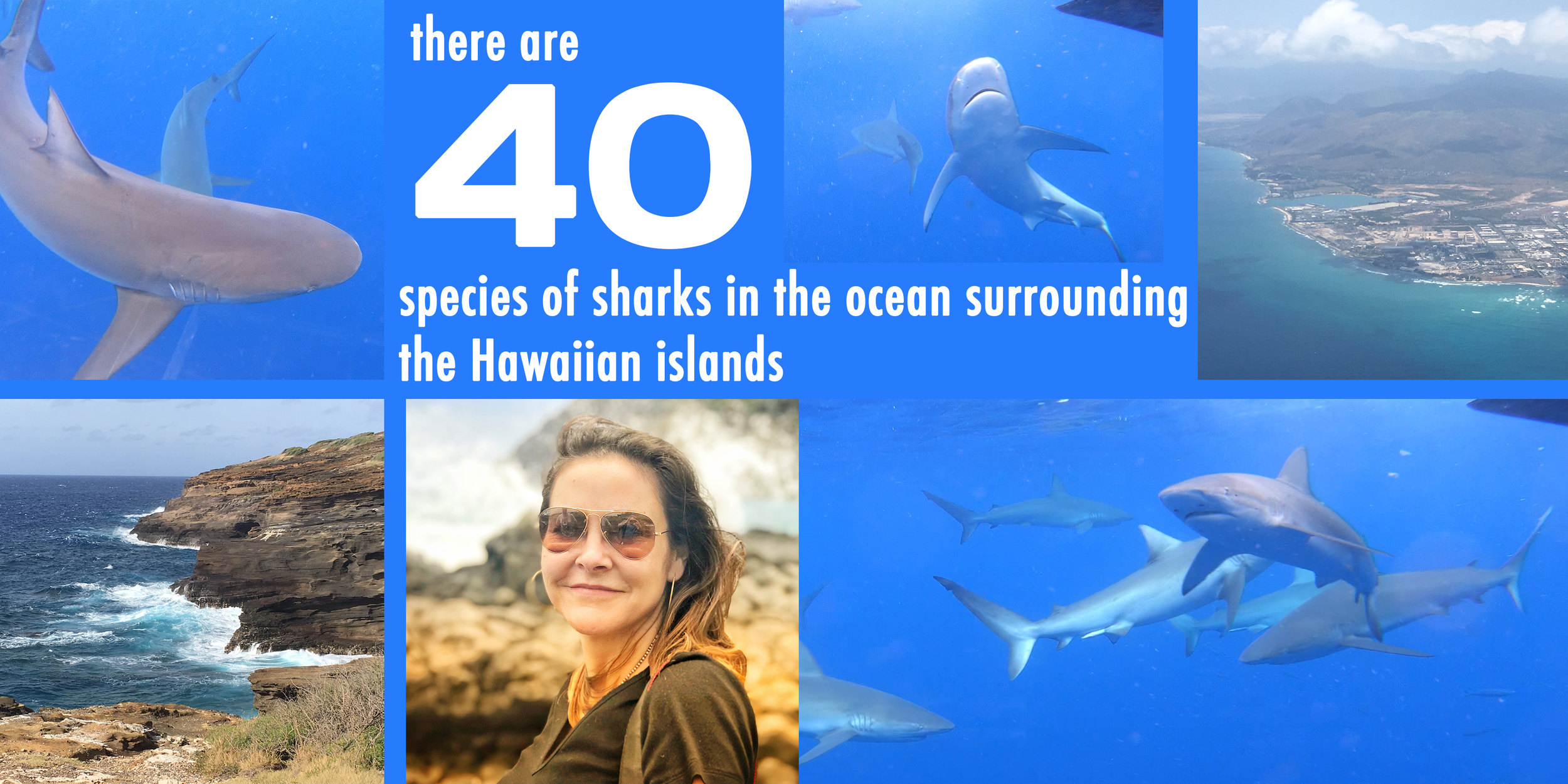
I have always been fascinated with the ocean, marine biology and specifically sharks. I don't have a lot of spare time or endless resources to travel BUT, I am pretty good at managing to coordinate my work schedule with cool locations. After a week of military trade show fun and new technology product presentations, I found myself on Oahu with a free weekend. FINALLY!
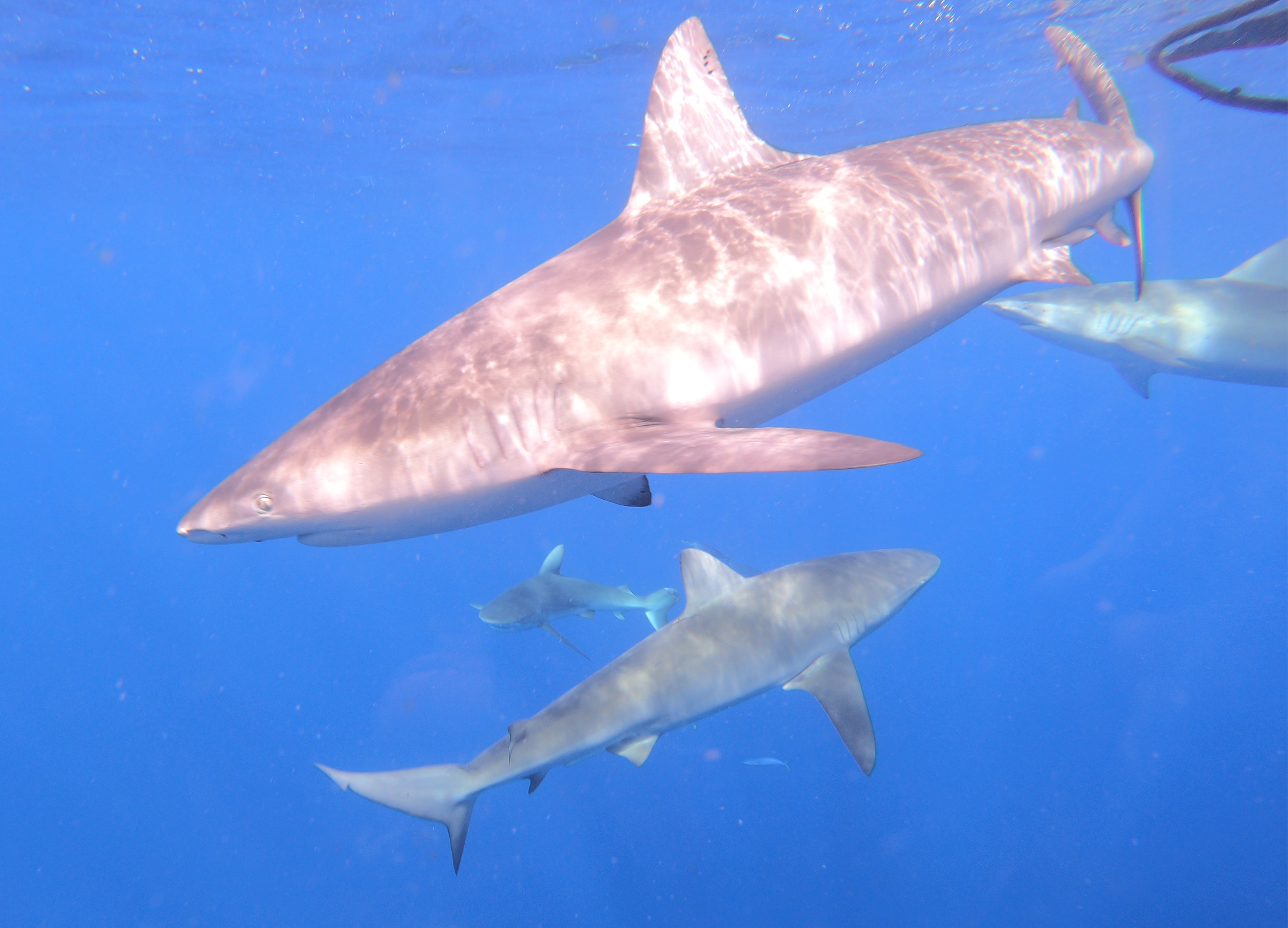
I couldn't wait to get in the water for a few reef dives and the chance to do a cage dive with Hawaii Shark Encounters. It was such a privilege and a dream come true to see the Galapagos shark up close. I was in awe of how beautiful and graceful they were swimming in the water. It was amazing to me how quickly such a big animal could close distance. It seemed like one small flick of the tail and a small shark in the distance was right in front of us.
I was also pretty happy about the fact I was in a cage and could view these guys from a safe distance. Don't get me wrong, I would like to do a free dive, but after I have a bit more experience and education.
I'm a big believer and supporter of ocean conservation, habitat preservation and promoting all the reasons it's important to protect wildlife. I hate that a lot of people have negative preconceived notions about sharks, but i've been influenced by media and horror films too! We've often vilified sharks giving them a pretty bad reputation. Like any wild animal, sharks can be dangerous, but they also play a critical role in maintaining the balance in our oceans. They deserve our respect and protection. I hope I have the opportunity to see some other species in the wild.
QUICK FACTS:
- Galapagos Sharks are quite large for their genus, and have the stereotypically slender, streamlined shark-shaped body.
- They have 14 rows of serrated teeth that are triangular on the top and sharper on the bottom.
- Galapagos sharks closely resemble reef sharks and dusky sharks, making them difficult to identify in the field.
Galapagos-Shark-Distribution